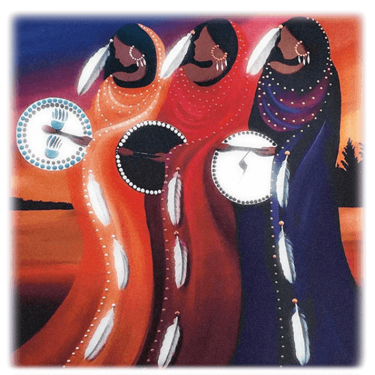
The Native Ways Program helps Native and Indigenous women heal through their culture and traditions. The program builds on the strengths and resilience of Indigenous communities while providing trauma-informed care rooted in historical awareness.
The Haven is deeply committed to providing compassionate, culturally responsive care that honors the strengths, stories, and traditions of the members we serve.
Through the Native Ways Program, we bridge Indigenous values and traditional healing with trauma-informed behavioral health services, offering women a pathway to wellness that is rooted in culture, dignity, and self-determination.
The program was developed by and is staffed with professionals with backgrounds in the local Indigenous cultures and includes the teachings of the White Bison Wellbriety Movement.
Native Ways provides Residential Treatment and Intensive Outpatient Services with Recovery Housing for individuals healing from substance use disorders.
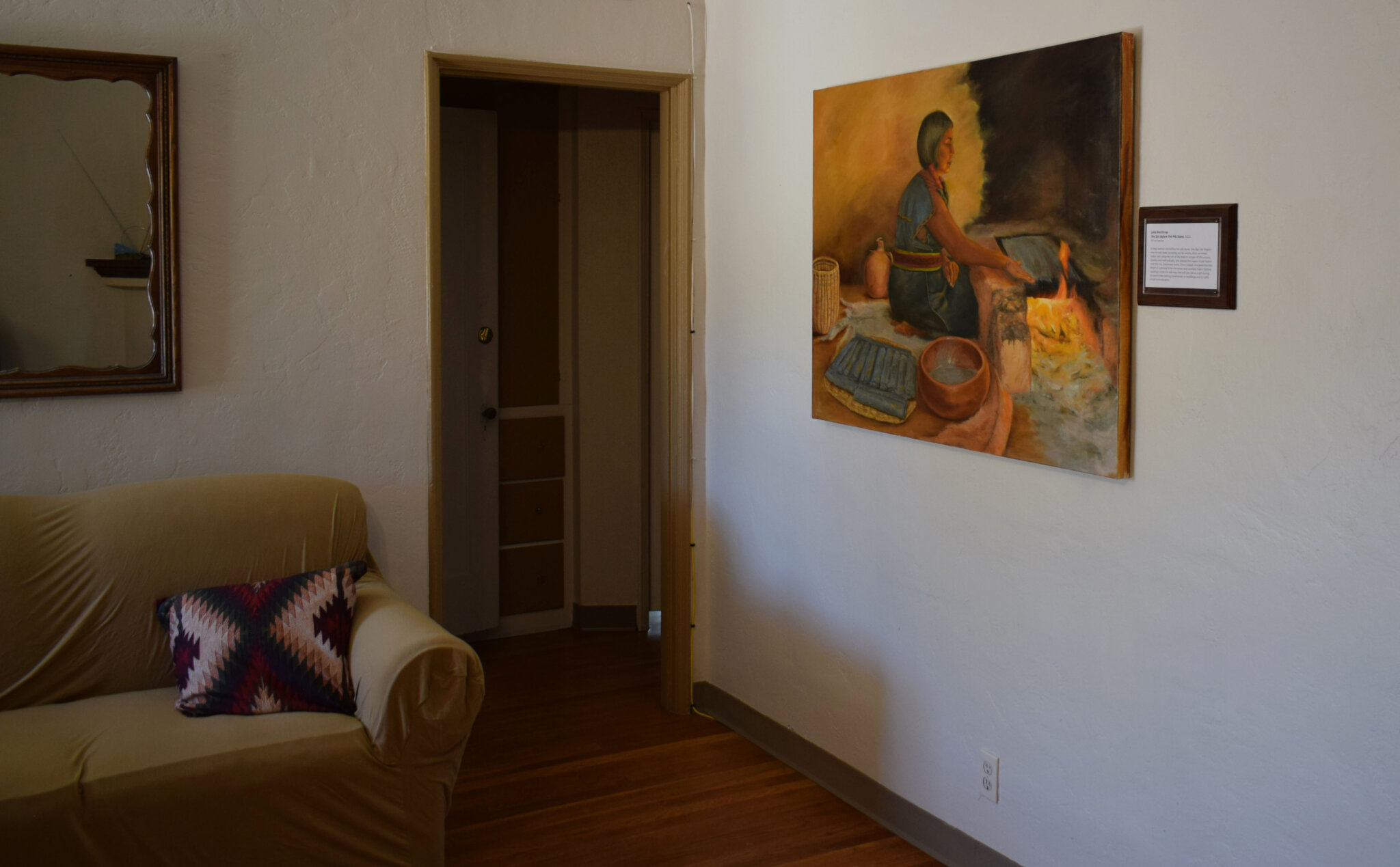
The Native Ways residential treatment program is located in a dedicated facility on The Haven’s campus, providing a space specifically designed to support Indigenous traditions and healing. The campus also features a labyrinth and vegetable gardens, fostering connection to the spiritual and natural practices that are central to many Indigenous cultures.
This respect for culture and traditions continues in Intensive Outpatient Program (IOP) and the Native Ways Recovery Housing, which include dedicated facilities and culturally centered group activities that honor and support the Native Ways approach to recovery.
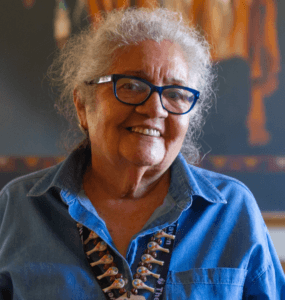
Natividad Cano, LISAC, ADS, is a Mexican Native and has been working in the substance use disorder field since 1989. She has been at The Haven since 2007 and is currently the Cultural Educator for the Native Ways Program.
She previously worked for 8 years on the border of Arizona and Northern Mexico for Southeastern Arizona Behavioral Health Services (SEABHS) in Douglas and Bisbee, AZ, 5 years with GFS (Gateway Foundation Services) working in a state prison setting with female inmates, and 10 years in a private practice with her late husband working with under-served Spanish-speaking populations.
Nati is active in the community, collaborating with other agencies in promoting culturally appropriate, gender-specific and age-specific programs. She is on the Board of Wings for Women whose mission is to empower women to break the cycle of hopelessness and lead healthy and productive lives and is a member for the Red Road to Wellbriety Celebration Committee promoting and celebrating wellness and sobriety in Indian Country. Nati enjoys volunteering, cooking, reading, and spending time with her children, grand-daughters, and her 7 siblings and their families. For the past 8 years Nati has participated in the Migrant Trail, a 70 mile walk from the Mexico/USA border in Sasabe, Sonora to Tucson, AZ to remember the men, women, and children who have died while crossing the desert.
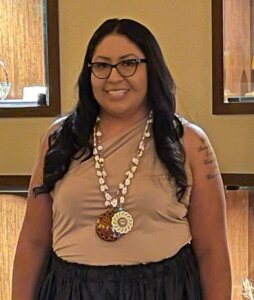
Sandra Preston is a Tohono O’odham Nation member from the Schuck Toak District, Comobabi village. She is a graduate of Arizona State University, receiving her bachelor’s and master’s degrees in social work. Sandra is currently the Native Ways therapist in the Residential Program.
Sandra has been working in the behavioral health field for six-plus years. She is in recovery and passionate about helping people, specifically the Native American community. She would like to apply what she has learned to help strengthen tribal communities. Her experience has helped her relate to the women at the Haven as a social worker. She has a strong desire to advocate for and empower people from all walks of life. She enjoys spending time with her family and volunteering with her church and community.
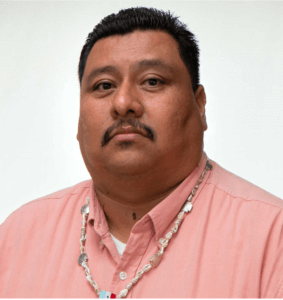
Miguel Flores Jr., LISAC, CSOTS, is a true member and community advocate working with Native American communities. He is a traditional healer and counselor. Miguel is a Licensed Independent Substance Abuse Counselor in the State of Arizona.
He is a proud member of the Pascua Yaqui Tribe and Tohono O’odham Nation, a husband, father, artist, healer, counselor and teacher. He is a community leader and chairman of the Community Action Committee for American Indian Research Center for Health (AIRCH), University of Arizona. He is also a member of National Institute of Health (NIH), All of Us (AOU), Precision Medicine Initiative, Participant Engagement Board, AOU Native American Community Board, Ambassador for the AOU National program, member of NIH Research Access Board, member of NIH Bio Specimen Policy Task Force Committee, and Chairman for The Arizona Partnership for Native American Cancer Prevention (NACP). He is also a member of the Tribal Advisory Committee for the Southern Arizona Tribes for Centers for Disease Control and Prevention (CDC) and Indian Health Services (IHS).
For the past 28 years, Miguel has provided Spiritual Leadership and Traditional Medicine for the Tohono O’odham Nation and Pascua Yaqui Tribe and others. He has a 30 year career in behavioral health providing services for The People. Miguel provides prevention, outpatient, residential, and aftercare services to members using a holistic Native American model of treatment using the Medicine Wheel. The Medicine Wheel teaches culture and healing of the Body, Mind, and Spirit and the understanding that also depends upon individual experiences of connectedness with the human community and with the natural world that supports it.